Dust mite exposure shows persistent indoor allergy symptoms—sneezing, itchy eyes, congestion and worse mornings—plus dusty fabric, fine powdery debris and high humidity in mattresses and upholstery. Bed bugs cause clustered, linear welts pest control for rats, immediate localized swelling and visible evidence: rust-colored stains, dark fecal specks, tiny eggs, shed skins or live reddish-brown insects in seams and crevices. Inspect mattress seams, bed frames and nearby furniture with a flashlight. Continue for practical checks, documentation and proven control steps.
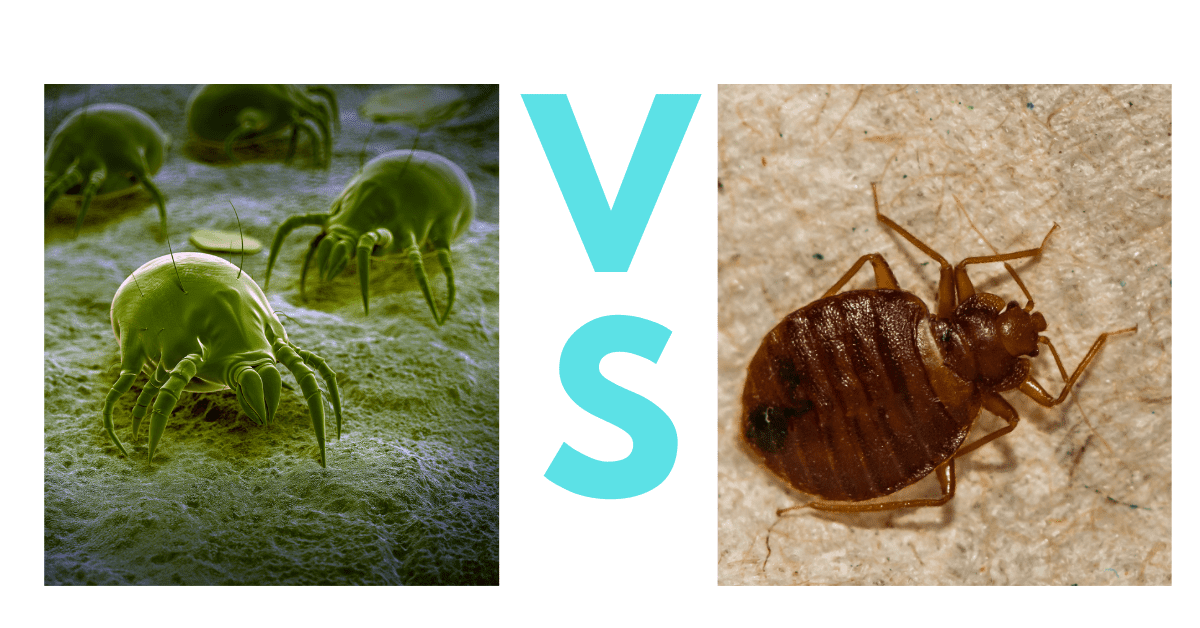
What Dust Mites Are and Where They Live
In household environments, dust mites are microscopic arachnids of the family Pyroglyphidae that feed primarily on shed human skin and organic detritus igreenasia. They colonize mattresses, pillows, upholstered furniture, carpets, and curtains where humidity and warmth persist. Their distribution concentrates in high-contact fabrics and seams, favoring environments with relative humidity above 50%. Detection relies on indirect indicators — allergy symptoms, accumulated fine dust, and targeted microscopic observation of collected dust samples in laboratory or field-portable microscopes. Management emphasizes allergen mitigation through engineered interventions: encasements, HEPA filtration, humidity control, regular laundering at high temperatures, and material choices that reduce dust accumulation. Research and product development focus on scalable, low-energy systems that integrate monitoring and automated mitigation for resilient indoor environments.
What Bed Bugs Are and Where They Hide
Detects human hosts by carbon dioxide and warmth, bed bugs (Cimex lectularius and related species) are small, wingless, blood-feeding insects active at night and skilled at hiding in tight, protected crevices near sleeping areas. They prefer seams and folds — mattress seams, box-spring edges, bed frames — but exploit any cluttered microhabitat offering darkness and proximity to hosts. Modern infestations leverage travel and used furniture; insects disperse by crawling, not flying, and can spread between rooms through voids. Inspections should include headboards, baseboards, upholstered furniture, luggage, and seldom-considered refuges such as electrical outlets and wall voids. Innovative mitigation prioritizes targeted detection: focused visual searches, interceptors under legs, and sealed encasements to isolate harborage and reduce chemical use while preserving human-safe environments.
Signs of Dust Mite Presence in Your Home
Commonly overlooked, dust mite presence is indicated less by seeing the mites themselves and more by a pattern of symptoms and environmental clues: persistent indoor allergy symptoms (sneezing, itchy or watery eyes, nasal congestion, coughing, or wheezing), increased symptoms on waking or in bedrooms, visible dust accumulation on soft furnishings, and fine powdery debris when pillows or mattresses are disturbed. A pragmatic occupant notes symptom patterns, documents timing, and considers allergy testing to confirm sensitization. Practical interventions include targeted cleaning, encasing bedding, and upgrading air filtration to reduce airborne allergens. Emotional response can motivate action:
- Frustration at nightly irritation prompting decisive change.
- Relief when measurable testing guides solutions.
- Urgency to adopt innovative air filtration and fabric barriers.

Signs of Bed Bug Infestation to Look For
Behind and beneath bedroom surfaces, bed bug infestations reveal themselves through a distinct set of physical and behavioral clues: small rust-colored stains or dark specks of fecal matter on sheets, mattress seams, and headboards; tiny pale eggs or translucent shed skins in creases and joints; clusters of live, reddish-brown, flat-bodied insects about the size of an apple seed; and an uptick in unexplained itchy, linear bites appearing after periods spent at home. Inspectors should expand checks to cracks, electrical outlets, furniture joints, and luggage. Use LED flashlights, magnifiers, and portable inspection tools to map harborages and document findings. Early detection enables targeted interventions; when evidence is confirmed or widespread, engage professional extermination to assure effective removal and reduce reinfestation risk.
Differences in Bite Patterns and Symptoms
Frequently, bite patterns and symptoms provide the clearest initial distinction between bed bugs and dust mites. Bed bug bites often appear as clustered, linear welts with immediate redness and localized swelling; they reveal an organized itch distribution tied to exposed skin. Dust mite reactions tend to be diffuse — widespread itching, sneezing, and eczema-like irritation driven by allergen exposure rather than discrete bites. Delayed itch is common with dust mite sensitivity, where symptoms worsen hours after exposure. Clinicians and innovators favor symptom mapping to prioritize interventions.
- The unsettling certainty of waking with linear welts.
- The slow dread as allergy-driven itching escalates.
- The clinical relief of identifying a clear pattern.
This pragmatic contrast guides targeted mitigation and next-step diagnostics.
Simple Home Checks to Identify Which Pest You Have
A quick visual inspection can distinguish common signs: bed bug bites often appear in clustered or linear patterns on exposed skin, while dust mite reactions are more diffuse and associated with eczema-like redness. Examine bedding and mattress seams for tiny dark spots or shed skins that indicate bed bugs, and scan pillows and fabric surfaces for fine, sand-like particles or dust buildup that suggest dust mites. Follow these checks with targeted cleaning or professional assessment as needed.
Visible Bites or Marks
How can homeowners tell whether bites or marks come from dust mites or bed bugs? Observable marks differ: dust mites rarely bite but can trigger allergic reactions and skin rashes, presenting as diffuse redness, itching, or eczema-like patches. Bed bug bites typically appear as clustered, linear welts, often on exposed skin after sleep.
- Immediate unease: clustered welts suggest an active bed bug problem, prompting swift action.
- Frustration: widespread, patchy rashes point toward allergens and environmental control measures.
- Urgency: worsening inflammation or infection requires professional assessment.
A pragmatic approach: document marks with photos, note timing and locations, and consult a clinician to distinguish allergic reactions from insect bites. Use targeted inspection and innovative mitigation accordingly.
Look for Tiny Particles
Small, visible particles around sleeping areas offer clear clues: dark specks, rust-colored stains, or tiny shells point toward bed bugs, while fine, powdery dust and shed microscopic skin fragments suggest dust mite activity. Observers should scan seams, creases, and edges of mattresses and furniture for clustered dark flecks or minute eggshells; these indicate blood-fed bed bugs and correlate with fabric discoloration where feeding or excretions occurred. Conversely, a diffuse layer of microscopic debris across pillows, blankets, and upholstery signals high dust mite presence. Innovative inspection tools—LED magnifiers, adhesive tape lifts, or a controlled vacuum filter—help distinguish particle types quickly. Document findings, noting location and concentration, then prioritize targeted interventions: mattress encasements and heat treatment for bed bugs, deep-cleaning and humidity control for dust mites.
Treatment and Prevention for Dust Mites
Effective control of dust mites focuses on reducing indoor humidity and routine laundering of bedding. Maintaining relative humidity below 50% inhibits mite survival, achievable with dehumidifiers or improved ventilation. Washing sheets and pillowcases in hot water (at least 130°F/54°C) on a weekly basis removes allergens and resets infestations.
Reduce Indoor Humidity
By lowering indoor humidity to below about 50%, households can sharply reduce dust mite populations because mites require moist air to survive and reproduce. Effective humidity control combines smart dehumidifier placement, improved air circulation, and routine monitoring with moisture meters. Placement near moisture sources and open pathways for airflow maximizes efficiency; innovative units with sensors automate response. The approach is low-impact, scalable, and data-driven.
- Quiet, hidden control restores comfort and health.
- Visible meters provide satisfying, immediate feedback.
- Strategic devices reduce worry and long-term costs.
This practical system prioritizes measurable results: set targets, place units for optimal circulation, read meters regularly, and adjust settings. The result is a durable reduction in mite habitat without chemical interventions.
Wash Bedding Hot
Controlling humidity helps weaken dust mite populations, but direct laundering of bedding provides an immediate, reliable kill step: washing sheets, pillowcases, blankets and mattress covers in water at least 130°F (54°C) for 10–15 minutes reliably kills mites and denatures allergens. Hot washing is the most practical, evidence-based intervention for rapid reduction of viable mites and allergenic proteins. For innovation-minded households, integrate programmable machines or sanitizing cycles that guarantee temperature and duration, and use high-efficiency detergents with enzymatic action to aid allergen breakdown. Repeat weekly for high-exposure sleepers; biweekly suffices for low exposure. Include washable mattress encasements and pillow protectors in the rotation. Dry items thoroughly at high heat. Combine bedding sanitization with humidity control and vacuum filtration for a scalable, measurable reduction in mite burden.
Treatment and Control Options for Bed Bugs
Addressing a bed bug infestation requires a coordinated approach that combines inspection, targeted treatments, and follow-up monitoring to guarantee elimination and prevent reintroduction. A professional extermination assessment is advised to map harborage sites, evaluate chemical and heat options, and advise on legal responsibilities when treating rented properties. Integrated tactics—encasements, heat treatments, targeted residuals, and meticulous laundering—minimize spread and resistance. Tenacious follow-up inspections confirm success.
A coordinated, evidence-based pest plan—inspection, targeted treatments, encasements, heat, laundering, and rigorous follow-up—to eliminate bed bugs and prevent return.
- Fear of bites and sleepless nights can motivate swift, decisive action.
- Frustration with recurring infestations drives demand for innovative, science-backed solutions.
- Relief comes from verified eradication and clear compliance with landlord-tenant rules.
Decision-makers should prioritize evidence-based methods, vendor credentials, and documented treatment plans.
Conclusion
Determining whether a home harbors dust mites or bed bugs relies on recognizing distinct evidence and responses. Dust mites are microscopic, trigger allergy symptoms, and leave no visible marks; bed bugs are visible at certain life stages, produce blood spots, shed skins and itchy clustered bites. Practical inspection—mattresses, seams, crevices—and symptom tracking guide identification. Remedial actions differ: allergen reduction and cleaning for dust mites; targeted extermination and isolation for bed bugs. Prompt, appropriate intervention prevents escalation.
…