
Explore the intricate world of pet skin diseases as we delve into their causes, symptoms, and treatments.
From common triggers to vital signs to be aware of Starlight, this comprehensive guide equips you with the knowledge needed to safeguard your furry companions’ skin health.
Discover preventive measures and seek expert veterinary advice to ensure your pet’s well-being.
Uncover the key to understanding and managing pet skin conditions in this informative article.

Common Causes of Pet Skin Diseases
Among the primary factors contributing to pet skin diseases are environmental allergens, genetic predispositions, and poor grooming practices. Environmental allergens such as pollen, dust mites, and mold can trigger allergic reactions in pets, leading to skin irritation and inflammation. Genetic predispositions play a significant role in determining a pet’s susceptibility to skin diseases, with certain breeds being more prone to conditions like atopic dermatitis or food allergies. Poor grooming practices, including infrequent bathing, improper use of grooming products, and neglecting to regularly brush a pet’s coat, can also contribute to skin issues by allowing bacteria and parasites to thrive on the skin.
For pet owners who value their furry companions’ well-being and freedom from discomfort, understanding these common causes of pet skin diseases is essential. By being aware of environmental allergens, genetic factors, and the importance of proper grooming, pet owners can take proactive measures to prevent skin diseases and ensure their pets lead healthy and happy lives.
Recognizing Symptoms in Your Pet
An important aspect of maintaining your pet’s skin health is recognizing symptoms that may indicate underlying skin issues. Observing changes in your pet’s skin condition is crucial for early detection and prompt treatment. Common symptoms of skin problems in pets include excessive itching, redness, inflammation, hair loss, scaly patches, lumps, bumps, and unpleasant odors. Pay close attention to any changes in your pet’s behavior such as increased scratching, biting, or licking of the skin. Additionally, monitor for any signs of discomfort or pain your pet may exhibit.
Regularly inspect your pet’s skin and coat for any abnormalities. Look for dry or flaky skin, hot spots, or any lesions that appear to be causing discomfort. If you notice any concerning symptoms, it is essential to consult with your veterinarian for a proper diagnosis and treatment plan. Early intervention can help alleviate your pet’s discomfort and prevent the progression of skin diseases. Remember, your vigilance in recognizing and addressing symptoms promptly plays a vital role in maintaining your pet’s skin health and overall well-being.
Available Treatment Options
After recognizing symptoms of skin problems in your pet, the next crucial step is exploring available treatment options to address the underlying issues effectively. Treatment options for pet skin diseases vary depending on the specific condition diagnosed by a veterinarian. Common treatments include topical medications like ointments or shampoos to soothe skin irritations, reduce inflammation, and combat infections. Oral medications such as antibiotics, antifungals, or steroids may be prescribed for more severe cases to manage underlying causes and alleviate symptoms. In some instances, dietary changes, supplements, or allergy testing may be recommended to address skin issues stemming from food sensitivities or environmental allergens.
Additionally, advanced treatment options like laser therapy, immunotherapy, or surgery might be necessary for certain skin conditions that do not respond to conventional treatments. It is essential to follow the veterinarian’s recommendations closely and administer medications as directed to ensure the best possible outcome for your pet’s skin health. Regular follow-up appointments are crucial to monitor progress and make any necessary adjustments to the treatment plan.
Preventive Measures for Pet Skin Health
To maintain optimal skin health in pets, implementing a consistent grooming routine is essential. Regular grooming helps to remove dirt, debris, and excess oils that can contribute to skin issues. Brushing your pet’s coat helps distribute natural oils, preventing dryness and promoting a healthy shine. Bathing should be done using pet-specific products to avoid stripping the skin of its natural oils. Choose shampoos that are gentle and formulated for your pet’s skin type. Additionally, keeping your pet’s living environment clean can help prevent skin irritations caused by allergens or parasites.
Another crucial aspect of preventive care is monitoring your pet’s diet. Providing a balanced diet with essential nutrients, such as omega-3 fatty acids, can help maintain healthy skin. Ensure your pet has access to fresh water at all times to support overall skin hydration. Regular veterinary check-ups can also aid in early detection of skin issues and ensure your pet’s skin health is monitored closely. By incorporating these preventive measures into your pet care routine, you can help promote healthy skin and overall well-being for your furry companion.
Seeking Veterinary Advice and Care
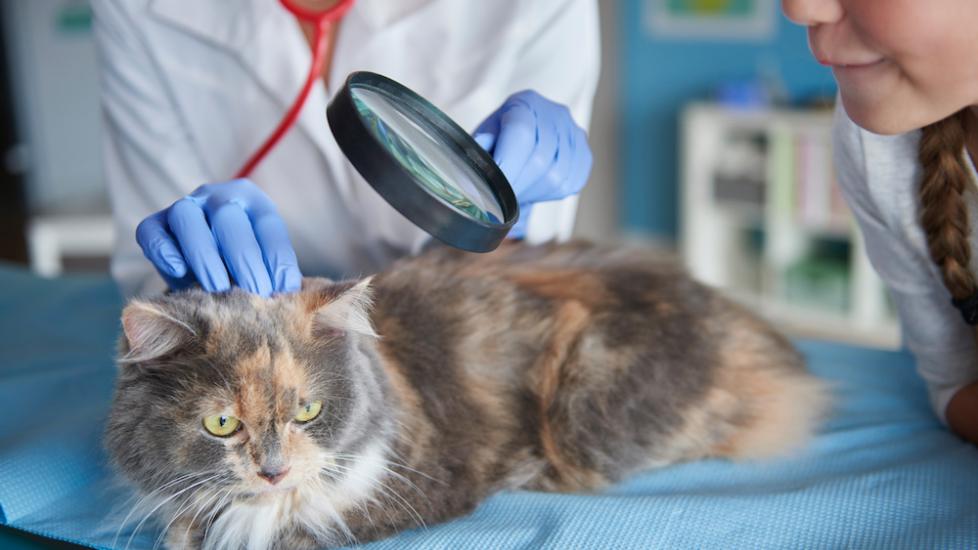
Seeking professional veterinary advice and care is essential when addressing pet skin diseases to ensure accurate diagnosis and effective treatment. Veterinarians are trained to identify various skin conditions in pets, ranging from allergic reactions and infections to more severe underlying health issues. By seeking veterinary guidance, pet owners can receive tailored treatment plans specific to their pet’s condition.
Upon noticing any unusual symptoms such as excessive itching, redness, hair loss, or skin lesions, scheduling a consultation with a veterinarian promptly is crucial. During the veterinary visit, the practitioner may conduct a thorough physical examination, skin tests, or recommend further diagnostic procedures like skin scrapings or biopsies to pinpoint the exact cause of the skin problem.
Additionally, veterinarians can provide valuable advice on proper skincare routines, dietary adjustments, and medications needed to manage or alleviate the pet’s skin issues effectively. Ultimately, collaborating with a knowledgeable veterinary professional is key to ensuring the optimal health and well-being of pets struggling with skin diseases.
Conclusion
In conclusion, pet skin diseases can be caused by various factors, with symptoms ranging from itching to hair loss. Treatment options may include medications, topical ointments, or dietary changes.
Preventive measures such as regular grooming and maintaining a healthy diet can help improve pet skin health. Seeking veterinary advice and care is crucial in diagnosing and treating skin conditions in pets.