
Stay informed on the evolving landscape of secondary Chinese tuition in Singapore with our comprehensive guide to the latest trends.
From the increasing prominence of online tutoring platforms to the integration of technology and personalized learning approaches chinese tuition secondary, this article explores the key developments shaping the education sector.
Gain valuable insights into exam preparation strategies and the impact of government policies to make informed decisions about your child’s educational journey.

Rise of Online Tutoring Platforms
Analyzing the proliferation of online tutoring platforms signals a shift in the landscape of secondary Chinese tuition in Singapore. With the convenience and flexibility that online platforms offer https://www.yanzimandarin.com/, students now have the freedom to access quality Chinese tuition from the comfort of their homes.
These platforms provide a wide range of resources, including interactive lessons, practice materials, and one-on-one sessions with experienced tutors. Students are no longer constrained by geographical limitations or rigid class schedules, allowing them the freedom to learn at their own pace.
Additionally, the rise of online tutoring platforms has created a competitive market, driving providers to enhance their offerings and cater to the diverse needs of students seeking to excel in their Chinese language studies.
Emphasis on Exam Preparation Strategies
In the realm of secondary Chinese tuition in Singapore, there is a growing emphasis on exam preparation strategies. With the increasing competitiveness in academic pursuits, students are seeking effective ways to excel in their Chinese language examinations. Tutors are incorporating targeted approaches to help students master essential skills such as comprehension, composition writing, and oral communication. These strategies aim to enhance students’ confidence and proficiency in handling the rigorous demands of exams.
Additionally, tuition centers are providing specialized workshops and practice sessions focused on exam-style questions and techniques. By honing these exam-specific skills, students are better equipped to navigate challenging assessment tasks and achieve optimal results. This shift towards tailored exam preparation strategies underscores the importance of strategic learning approaches in achieving academic success.
Integration of Technology in Tuition
The integration of technology in secondary Chinese tuition in Singapore is becoming increasingly prevalent, revolutionizing the traditional learning methods employed by tutors and students alike. Online platforms and apps are now commonly used to supplement in-person lessons, offering interactive exercises, virtual flashcards, and real-time feedback. These technological advancements provide students with the flexibility to study at their own pace and access educational resources beyond the confines of a physical classroom.
Additionally, video conferencing tools enable virtual lessons, connecting students with tutors regardless of geographical constraints. The integration of technology not only enhances the learning experience but also cultivates digital literacy skills essential for the modern world, empowering students to take control of their education with freedom and flexibility.
Personalized Learning Approaches
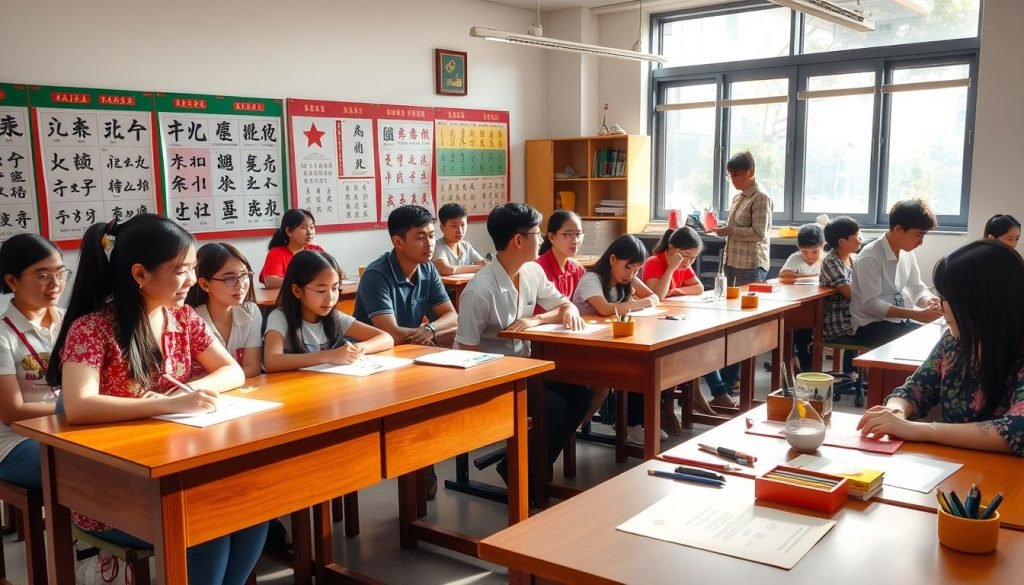
Amidst the integration of technology in secondary Chinese tuition in Singapore, personalized learning approaches are gaining traction as educators seek to tailor teaching methods to individual student needs. This shift towards personalized learning recognizes that each student has unique strengths, weaknesses, and learning styles that can be better addressed through customized educational strategies.
By analyzing students’ progress, preferences, and challenges, tutors can adapt their teaching techniques to optimize comprehension and retention. Personalized learning approaches also foster a more engaging and interactive learning environment, allowing students to take ownership of their education and progress at their own pace.
With this tailored approach, students can receive targeted support where needed, leading to more effective learning outcomes and overall academic success.
Impact of Government Education Policies
Transitioning from personalized learning approaches, educators in the realm of secondary Chinese tuition in Singapore are navigating the impact of government education policies on their instructional strategies.
The evolving landscape of educational policies influences teaching methodologies, curriculum design, and assessment practices within the tuition sector.
With the government emphasizing holistic education and 21st-century skills development, Chinese tuition providers are incorporating innovative pedagogies to align with these objectives.
Additionally, policies promoting bilingualism and cultural appreciation have spurred educators to infuse language learning with real-world applications and cultural immersion activities.
Adapting to these policies, tuition centers are integrating technology, collaborative learning, and differentiated instruction to enhance students’ language proficiency and cultural understanding.
Conclusion
In conclusion, the trends in secondary Chinese tuition in Singapore are evolving with the rise of online tutoring platforms, emphasis on exam preparation strategies, integration of technology, and personalized learning approaches.
These changes are influenced by government education policies and are reshaping the way students receive academic support in Chinese language studies.
It is important for educators and parents to stay informed about these trends to better support students in their learning journey.
…